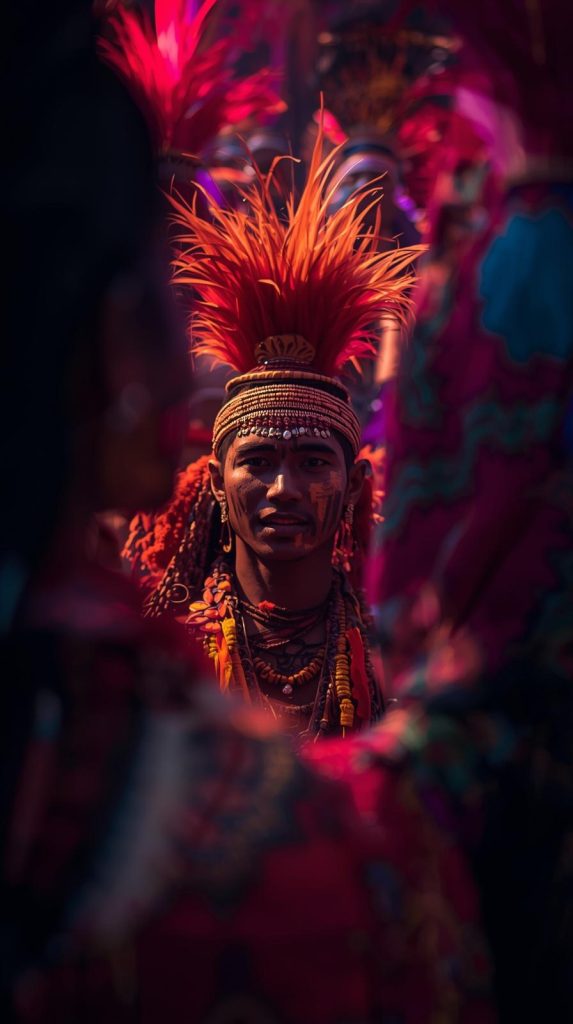
U Kiang Nangbah was born in 1820 in the Jaintia Hills, into a traditional tribal community deeply rooted in cultural values, self-governance, and collective responsibility.
Early Tribal Upbringing
Year: 1830
During his childhood years, he was raised within a close-knit tribal environment where customs, oral traditions, and respect for elders shaped his character and worldview.
Colonial Pressure
Year: 1845
As a young man, he began witnessing increasing British interference in tribal governance and taxation, which deeply influenced his growing sense of justice and resistance.
Leadership Qualities
Year: 1855
By the mid-1850s, U Kiang Nangbah had gained respect within his community for his courage, clarity of thought, and commitment to protecting tribal rights and traditions.
Key HisYears of Defiance and Tribal Mobilizationtorical Highlights
Leadership & Resistance Period
Rise as Resistance Leader
Year: 1860
U Kiang Nangbah emerged as a prominent tribal leader, openly opposing British taxation policies and interference in traditional Jaintia governance systems.
Organization of Tribal Uprising
Year: 1862
He united warriors, villagers, and elders across the Jaintia Hills, organizing a structured resistance movement rooted in unity, cultural pride, and self-rule.
Guerrilla Resistance Campaigns
Year: 1863
Under his leadership, tribal forces carried out coordinated guerrilla actions, ambushes, and disruptions of British supply routes using forest and hill terrain.
Height of the Resistance
Year: 1864
The resistance reached its peak, creating significant pressure on British authorities and establishing U Kiang Nangbah as a symbol of fearless tribal defiance.
Major Historical Events
Key Moments that Shaped the Movement
British Taxation
The introduction of house taxes and strict administrative control by the British disrupted traditional Jaintia governance, triggering widespread dissatisfaction and resistance among tribal communities.
Jaintia Hills Uprising
Under the leadership of U Kiang Nangbah, tribal communities launched a strong uprising against colonial authority, marking a significant chapter in Northeast India’s tribal resistance history.
Military Crackdown
In response to the uprising, British forces intensified military operations, targeting villages, resistance groups, and leadership structures to suppress the movement.
Capture and Execution
U Kiang Nangbah was eventually captured and executed by British authorities, an event that transformed him into a martyr and a lasting symbol of tribal courage and sacrifice.