
About U Kiang Nangbah
- Home
- About
Early Life & Background
Roots of a Tribal Freedom Leader
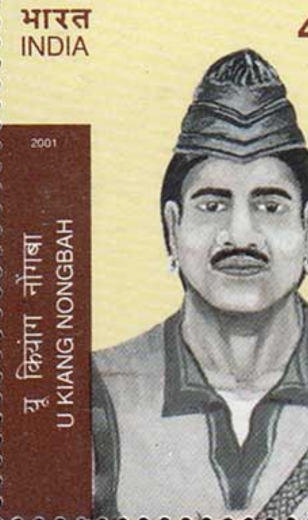
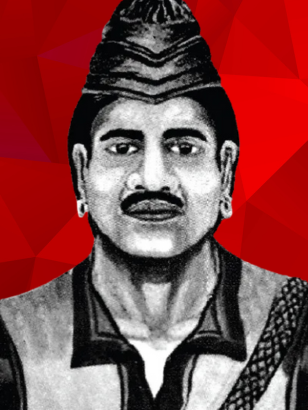
U Kiang Nangbah was born in the Jaintia Hills region of present-day Meghalaya, into a culturally rich tribal society deeply connected to its traditions, customs, and community values. From an early age, he was influenced by the strong sense of independence and self-governance practiced by the Jaintia tribal communities. Growing up in a close-knit environment, he learned the importance of unity, cultural pride, and responsibility toward protecting his people.
Family & Tribal Heritage
Cultural Roots and Ancestral Traditions

Ancestral Lineage
U Kiang Nangbah belonged to a respected tribal lineage known for maintaining strong cultural values, social responsibility, and dedication to community welfare and traditional leadership practices.

Tribal Upbringing
He was raised in an environment where tribal customs, rituals, and moral values were deeply respected, helping him develop a strong connection with his cultural roots and community traditions.

Family Values
His family emphasized unity, cooperation, and protection of tribal identity. These values shaped his leadership qualities and strengthened his commitment to serve and protect his people.

Cultural Pride & Identity
Through family teachings and tribal traditions, U Kiang Nangbah developed a deep sense of cultural pride, motivating him to preserve the heritage, dignity, and autonomy of the Jaintia tribal society.
Rise as a Tribal Leader
Emergence of a Voice for Tribal Resistance
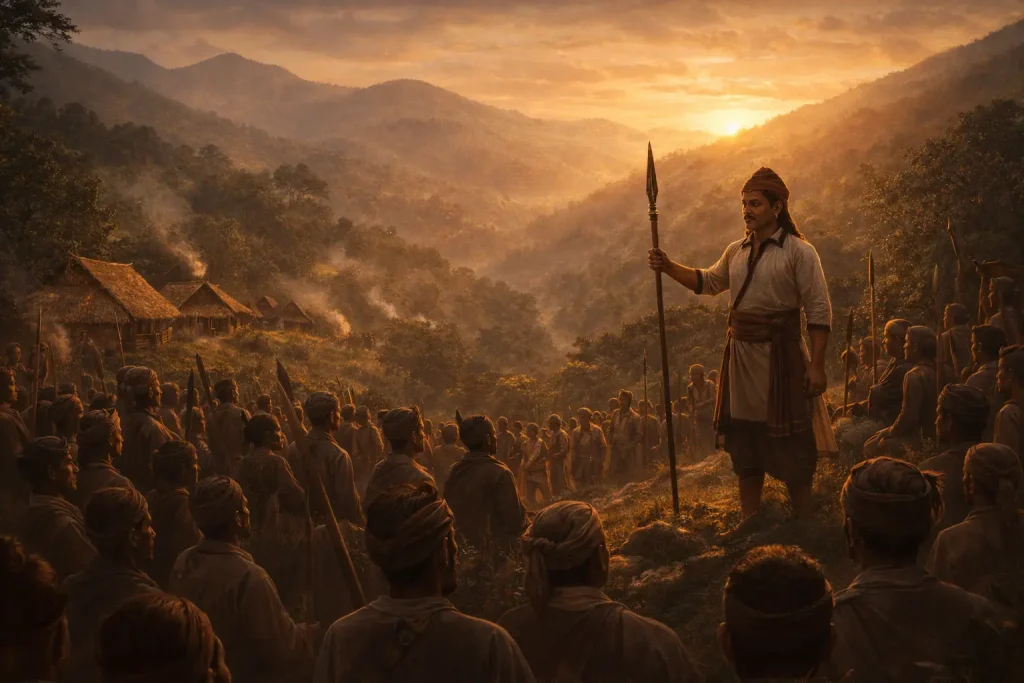
U Kiang Nangbah gradually emerged as a powerful tribal leader during a time when British colonial policies were threatening the traditional governance and cultural independence of the Jaintia Hills. Witnessing the growing injustice faced by his people, he began organizing and uniting different tribal groups to resist external control. His strong communication skills, deep understanding of tribal traditions, and fearless nature earned him the trust and respect of the community. He played a crucial role in mobilizing villagers and warriors, encouraging them to stand together for their rights and cultural identity.
Personality & Leadership Traits
Strength, Wisdom, and Inspirational Leadership
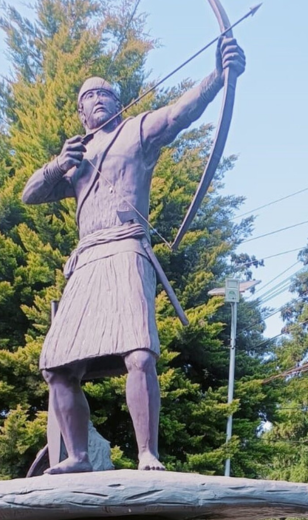
U Kiang Nangbah was known for his strong personality, fearless determination, and deep commitment to protecting his people and their cultural identity. He possessed natural leadership qualities that allowed him to unite tribal communities during challenging times. His calm yet courageous nature helped him gain the trust and respect of villagers, warriors, and elders alike. He strongly believed in justice, equality, and collective decision-making, which reflected the traditional values of tribal governance.
U Kiang Nangbah was one of the most courageous tribal freedom fighters from the Jaintia Hills of present-day Meghalaya, remembered for his fearless resistance against British colonial rule during the 19th century. Born into a culturally rich tribal society, he deeply valued the traditions, customs, and independence of his people. When British authorities attempted to impose unfair taxation and interfere with local governance, U Kiang Nangbah united tribal communities and led a strong resistance movement.
He was known for his exceptional leadership skills, strategic guerrilla warfare tactics, and ability to inspire unity among various tribes. His movement was not only a fight for political freedom but also a struggle to protect tribal identity, cultural heritage, and traditional self-governance. Despite facing strong opposition and military force from the British, he continued to lead with determination and courage.
His sacrifice and martyrdom became a powerful symbol of tribal pride and resistance. Today, U Kiang Nangbah is honored as a legendary hero whose legacy continues to inspire generations across Northeast India.